US Calls India a ‘Trusted Partner’ in New Pax Silica Tech Order
Global politics and economics are undergoing rapid transformation, and the world’s power is no longer solely dependent on oil or traditional resources. In the times to come, artificial intelligence, semiconductors, and advanced digital technologies will be the true determinants of a nation’s strength. Amidst this shifting landscape, Sergio Gor—the United States Ambassador to India—made a significant statement at the India Today Conclave 2026.
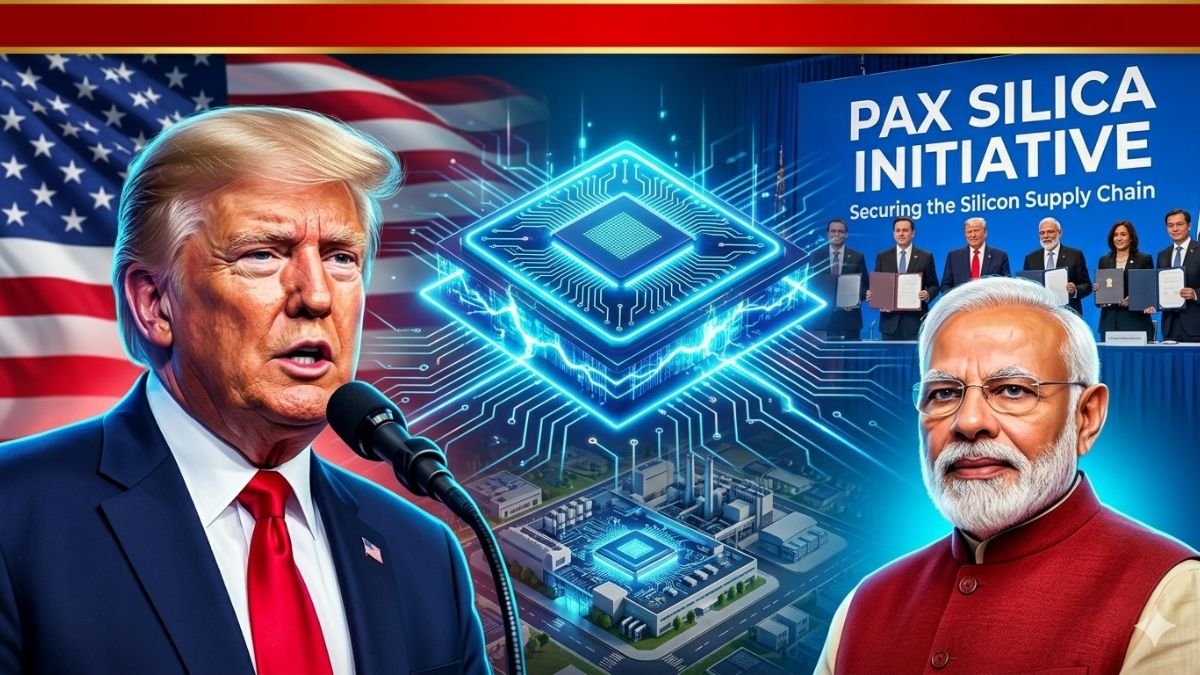
He stated that the United States views India as a trusted partner in building future strategic supply chains and technological partnerships. This statement signals the emergence of a new global order regarding technological cooperation and digital infrastructure—an order that officials are referring to as “Pax Silica.”
What is ‘Pax Silica’ and why is it Significant?
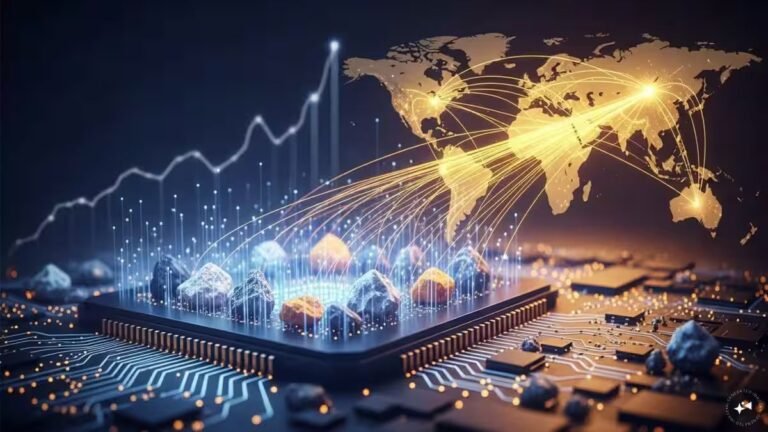
According to diplomats and technology experts, “Pax Silica” is a concept wherein the future global order will be anchored in advanced technologies. Specifically, fields such as artificial intelligence, semiconductor chips, quantum computing, and digital networks are poised to play a central role in this new framework.
In his address, Sergio Gor noted that, historically, global strategic competition revolved primarily around oil and energy resources. However, the situation is now changing rapidly. In the years ahead, those nations that lead the way in the technological sphere will be the ones to define global leadership.
He emphasized that when the United States seeks trusted partners for future technological collaborations, India occupies a prominent position on that list. This trust also reflects the robust democratic ties and the long-standing tradition of cooperation shared by both nations.
A Major Shift in Global Strategy
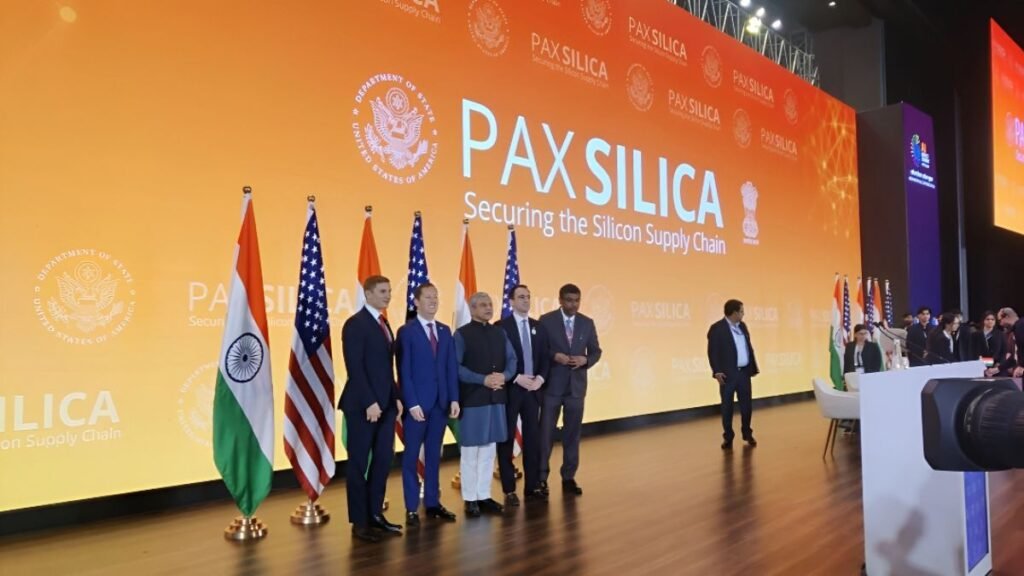
This development is being viewed as a major paradigm shift in international politics. While energy security and oil supplies once stood at the core of global strategy, digital infrastructure and advanced technologies are now becoming the most critical pillars for national security and economic growth.
The United States believes that, in the coming decades, technological leadership will be the primary determinant of a nation’s economic power and security capabilities. For this very reason, it is actively deepening its cooperation with partner nations that are making rapid strides in technological advancement. India’s inclusion in this strategy signals that Washington views New Delhi as a key partner within the new technological order.
Expansion of India-US Technological Cooperation
Over the past few years, technological cooperation between India and the United States has expanded at a rapid pace. Both nations have launched numerous programs and agreements aimed at fostering joint development and innovation in emerging technologies.
Foremost among these initiatives is the India–US Initiative on Critical and Emerging Technology (iCET). Under this initiative, both countries are strengthening cooperation in sectors such as semiconductors, artificial intelligence, quantum computing, defense innovation, and secure supply chains.
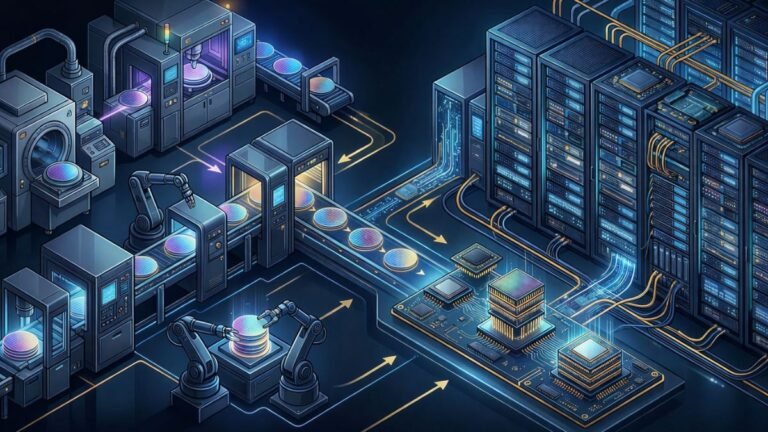
The objective of this partnership extends beyond mere technological advancement; it also aims to render global supply chains more secure and reliable. This collaboration is regarded as being of immense economic and strategic significance to both nations.
India’s New Strategy in Semiconductor Manufacturing
Over the past few years, India has taken significant strides toward establishing itself as a global hub for semiconductor manufacturing. The government has launched several incentive schemes to attract international chip manufacturers.
The objective of these schemes is to boost electronics and chip manufacturing within India, thereby shielding the country from excessive reliance on global supply chains. Concurrently, various policies have been implemented to scale up domestic production and encourage the growth of new technology companies.
Experts believe that if this strategy proves successful, India could play a pivotal role in the global semiconductor industry in the years to come.

India’s Central Role in ‘Pax Silica’
By including India among the initial partners of the ‘Pax Silica’ framework, the United States signals that India is poised to play a critically important role in shaping the technological landscape of the future.
This partnership extends beyond mere trade or investment; it encompasses broader dimensions such as research, innovation, digital security, and the development of global technological standards.
According to experts, India’s vast talent pool, rapidly expanding technology sector, and robust democratic framework make it a natural and integral part of this emerging global technological order.
Conclusion
The world is rapidly transitioning into a new technological era—one in which artificial intelligence, semiconductors, and digital networks will determine the global balance of power. In such a transformative period, the United States designating India as a trusted technological partner underscores the depth and significance of the relationship between the two nations.
Concepts such as ‘Pax Silica’ serve as indicators that the future global order will be anchored in technological cooperation and innovation. Should India and the United States continue to collaborate in this direction, their partnership has the potential to fundamentally reshape the global technological landscape in the decades ahead.
FAQs
Q. What is Pax Silica?
A. Pax Silica refers to a technology-driven global order focused on AI, semiconductors, and advanced digital infrastructure.
Q. Why did the US call India a trusted partner?
A. The US sees India as a reliable partner in building future technology supply chains.
Q. Which sectors are central to Pax Silica?
A. Artificial intelligence, semiconductor manufacturing, and advanced technology sectors.
Q. What is the India-US iCET initiative?
A. It is a partnership to strengthen cooperation in critical and emerging technologies.
Q. Why is semiconductor manufacturing important for India?
A. It helps reduce dependence on global supply chains and boosts domestic technology production.
About the Author