AI Supply Chain Security Explained: Why It Matters More Than Ever in 2026
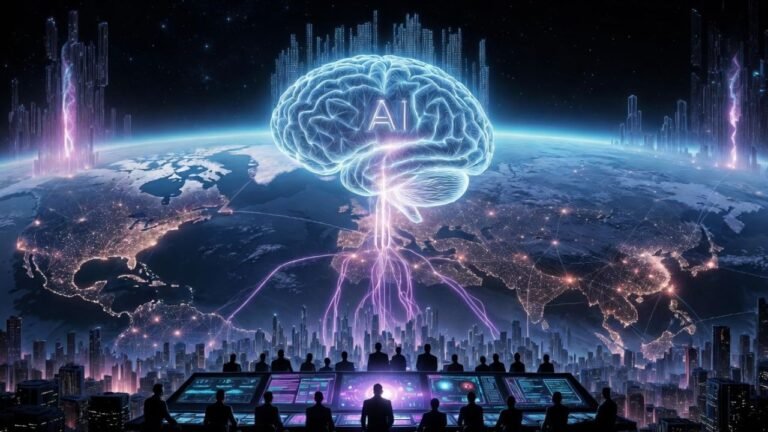
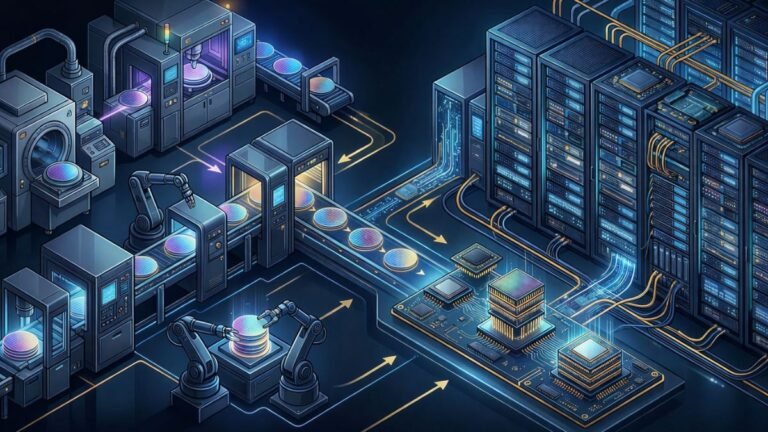
AI Supply Chain Security Explained: In today’s digital age, Artificial Intelligence (AI) is no longer merely a technology; it has evolved into the engine driving the global economy. However, just as rapidly as the adoption of AI is accelerating, the scope of the risks associated with it is expanding at an equal pace. In this context, “AI Supply Chain Security” has emerged as a critically important subject. Simply put, the AI supply chain encompasses all the processes, resources, and technologies utilized to create, develop, and deploy AI systems—such as data, hardware, software, and networks. Safeguarding all these components constitutes what is known as AI Supply Chain Security.
Why has its importance surged in 2026?
In 2026, AI is being utilized across nearly every sector—whether it be healthcare, banking, defense, or e-commerce. Consequently, if any single link within the supply chain is compromised, the entire system could be jeopardized. Incidents such as cyberattacks, data theft, and system tampering are on the rise. Hackers are no longer targeting just websites or applications; they are now setting their sights on AI models and the training data used to build them. This is precisely why governments and major corporations are now prioritizing the security of their AI supply chains above all else.
What are the risks inherent in the AI Supply Chain?
The AI supply chain operates across multiple layers, and distinct types of risks exist at each stage. For instance, if the training data is tampered with, the resulting AI model may generate erroneous decisions. Similarly, if a vulnerability exists within third-party software, the entire system could be compromised. Risks also exist at the hardware level—such as malware embedded within microchips. Furthermore, weak security protocols at any stage of the supply chain significantly heighten the risk of data breaches or system hacks.
How are companies ensuring security?
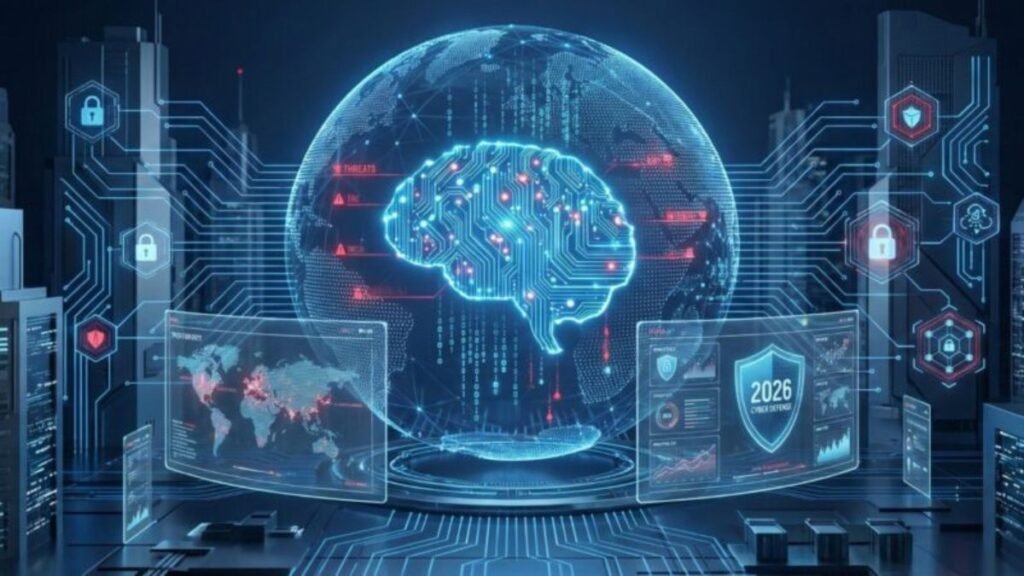
Today’s leading technology companies and organizations are implementing a range of measures to secure their AI supply chains. First and foremost, they are rigorously verifying their data sources to ensure that no erroneous or suspicious data is incorporated into their systems. Furthermore, regular checks of software and hardware are being conducted, and security updates are being implemented. Many companies are now adopting a “Zero Trust Security Model,” wherein every access request is verified. Additionally, advanced security tools are being utilized to test AI models, ensuring that any vulnerabilities are detected proactively.
The Role of Governments and New Policies
The role of governments is also pivotal in strengthening AI supply chain security. Several nations have now issued new regulations and guidelines regarding AI, aimed at enhancing data protection and transparency. Governments are now mandating that companies audit the entire supply chain of their AI systems and identify any potential threats. Moreover, international cooperation is being bolstered to facilitate a united front against cyber threats.
What Might Change in the Future?
In the times to come, AI supply chain security will become even more advanced and indispensable. As the deployment of AI expands, the attacks targeting it will also grow increasingly sophisticated. In the future, technologies such as blockchain could be leveraged to render supply chains more transparent and secure. Concurrently, automated security systems and AI-based detection tools will be developed, capable of identifying threats in real-time.
Conclusion
AI supply chain security is no longer merely an option; it has become a necessity. In 2026, this subject has assumed even greater significance as our reliance on AI continues to grow. If this supply chain remains unsecured, the consequences could be severe—ranging from economic losses to threats to national security. Therefore, companies, governments, and technology experts must collaborate in this endeavor to ensure the safe and reliable utilization of AI.
FAQs
Q. What is AI supply chain security?
A. It refers to protecting all components involved in building and running AI systems, including data, software, and hardware.
Q. Why is it important in 2026?
A. Because AI is widely used across industries, and any security breach can cause major financial and operational damage.
Q. What are common risks?
A. Data tampering, malware in software or hardware, third-party vulnerabilities, and cyberattacks on AI models.
About the Author