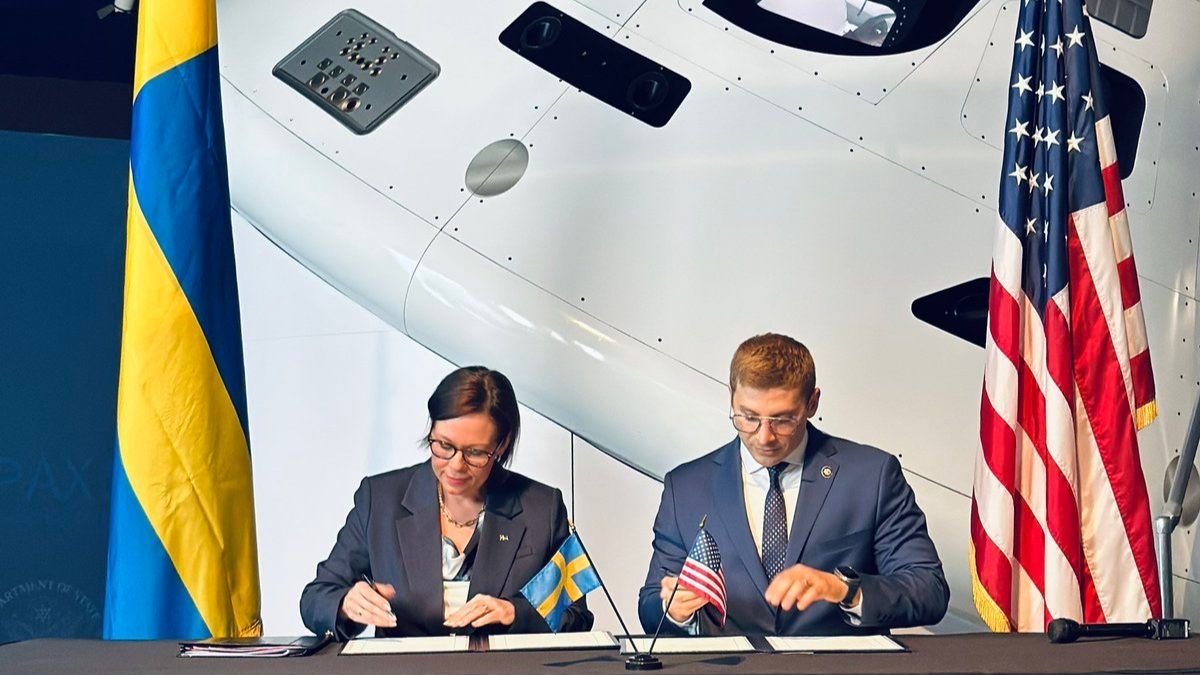
Sweden Joins the Pax Silica Declaration: A Strategic Step Forward
The current global order is navigating a phase where economic power, technological advancement, and national security are deeply intertwined. While the power of nations was once assessed based on their military might or natural resources, access to digital infrastructure, semiconductor supply chains, data networks, and advanced technologies has now emerged as the true measure of a nation’s strength. In this context, Sweden’s accession to the Pax Silica Declaration is regarded as a significant step with far-reaching implications. This is not merely a partnership but an integral part of a global strategy aimed at safeguarding future technological and economic stability.
The Houston Model: From Energy to Technological Infrastructure
Houston has long been recognized as the energy capital of the world. The city has demonstrated how, through robust infrastructure, strategic investment, and industrial collaboration, a supply chain can be forged that fuels the entire globe. Making the supply of oil and gas secure, efficient, and reliable was not merely an economic achievement; it also served as a cornerstone of global stability.
Now, this very model is being applied to the technologies of the 21st century. The objective of Pax Silica is to ensure that—just as energy supply chains were fortified—the supply chains for digital and technological resources are rendered equally secure and dependable. This approach is poised to play a pivotal role in maintaining the stability and security of the future economy.
Sweden’s Historic Journey: From Neutrality to an Active Global Role
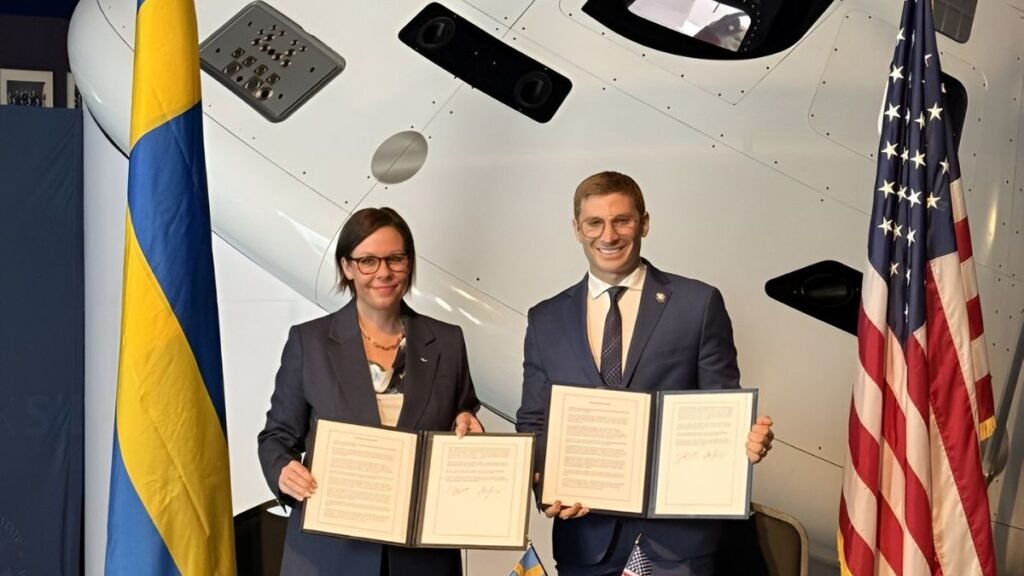
Sweden’s participation in this initiative reflects its evolving strategic outlook. A nation that adhered to a policy of neutrality for decades, Sweden is now assuming an active role in global security and cooperation. Following its accession to NATO, Sweden has made it unequivocally clear that it aspires to be not merely an observer but an active and engaged partner.
By joining Pax Silica, Sweden has signaled its intent to further solidify its role in addressing global issues spanning the technological, economic, and security domains. This decision holds significance not only for Europe but for the entire world, as it heralds the dawn of a new paradigm of international cooperation.
The Hormuz Crisis: The Reality of Global Interdependence
The events that have recently unfolded in the Strait of Hormuz have made it abundantly clear just how fragile global supply chains can be. This narrow waterway constitutes a critical component of the world’s energy trade, and any disruption within it has the potential to impact the entire global economy.
This situation is not limited solely to oil. It serves as a stark reminder that excessive reliance on any single critical resource or trade route creates a potential vulnerability. If a specific nation or group gains control over such a route, it acquires the leverage to exert pressure on a global scale. This is precisely why the world is now placing a strong emphasis on establishing alternative and secure supply chains.
Technology Supply Chains: New Challenges for a New World
In today’s world, technology serves as the very foundation of development. Artificial Intelligence, 5G networks, quantum computing, and advanced semiconductors—these are the key elements poised to shape the economy of the future. However, the supply chains underpinning these technologies are also fraught with numerous risks.
Excessive reliance on a chip manufacturing facility situated in a single specific region—or a monopoly held by a particular nation over rare earth minerals—could destabilize the entire global order. Similarly, if the cables or networks essential for data transmission are concentrated in a single geographical area, any disruption to them could adversely affect both global communication and trade.
The objective of Pax Silica is to identify all such risks and to construct a robust, diversified supply chain designed to mitigate them.
Sweden’s Strengths: Technology, Geography, and Industrial Capacity
Sweden brings several significant strengths to this alliance. First and foremost, its technological prowess—particularly in the realm of 5G—establishes it as a key player. Companies like Ericsson, which has been a pioneer in the telecommunications sector for decades, are vital to this initiative. Its role in building secure and reliable networks will be decisive.
Furthermore, Sweden’s geographical location renders it strategically significant. Situated near the Baltic region and Arctic routes, it can serve as a crucial link between Europe and other regions. Its industrial capacity—specifically in steel, mining, and defense production—positions it as a robust pillar of the supply chain.
The Objective of Pax Silica: A Secure and Self-Reliant Future
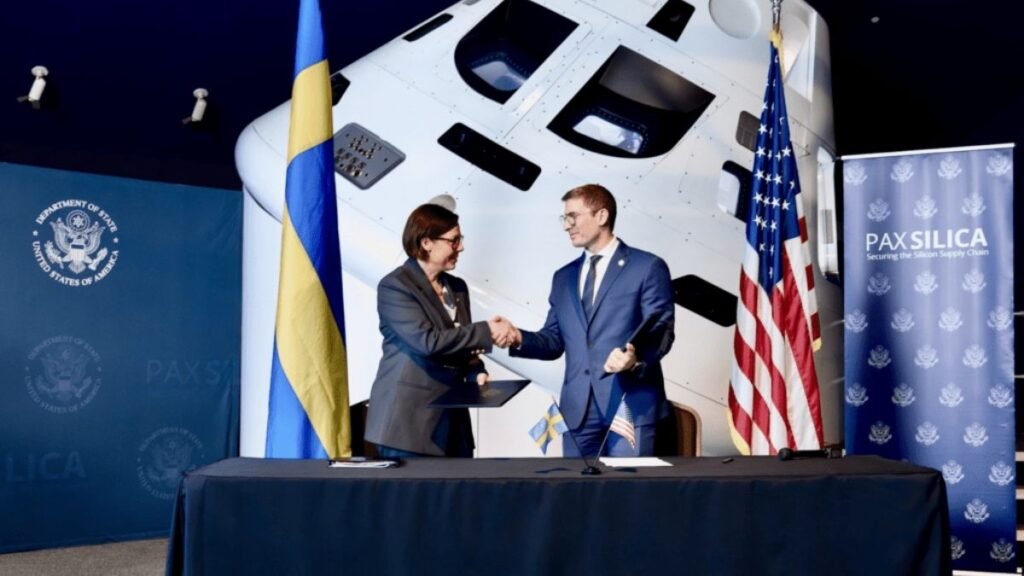
Pax Silica is not merely an agreement; rather, it is a comprehensive strategy aimed at ensuring future technological and economic security. Under this framework, logistics, manufacturing, mineral resources, and investment are being integrated to forge a strong and reliable network.
The primary objective of this initiative is to prevent any single nation or bloc from exerting pressure on other countries by disrupting global supply chains. It is a model founded upon cooperation, transparency, and stability.
Challenges and the Way Forward
While Pax Silica is a robust and positive initiative, it faces several challenges. Balancing the interests of diverse nations, resolving policy divergences, and keeping pace with rapidly evolving technologies are no easy tasks.
Moreover, sustaining such multilateral cooperation over the long term presents a further challenge. However, should this initiative succeed, it has the potential to establish a new global order—one that is more secure, stable, and cooperative.
Conclusion: Towards a New Beginning
Sweden’s accession to the Pax Silica Declaration marks a significant milestone. It represents not merely the decision of a single nation but a signal of a broader global transformation. It points toward a future where nations collaborate to confront technological and economic challenges together. In the coming years, this initiative will determine the type of supply chains and technological frameworks upon which the world will rely. If successful, it will lay the foundation for a future where sustainability, security, and cooperation are paramount.
Thus, this move by Sweden constitutes a significant contribution toward building a secure and robust world—not only for the present but also for future generations.
FAQs
Q. What is the Pax Silica Declaration?
A. It is a global initiative focused on building secure and reliable technology supply chains.
Q. Why is Sweden joining Pax Silica important?
A. Sweden brings strong tech expertise, especially in 5G and industrial capacity.
Q. What is the main goal of Pax Silica?
A. To reduce global dependency risks and strengthen economic and technological security.
Q. How does this affect global technology?
A. It helps create safer, more stable networks for future technologies like AI and 5G.
Q. Will more countries join Pax Silica?
A. Yes, more nations are expected to join as global cooperation increases.
About the Author