AI and Critical Minerals Explained: Why They Matter More Than Ever in 2026
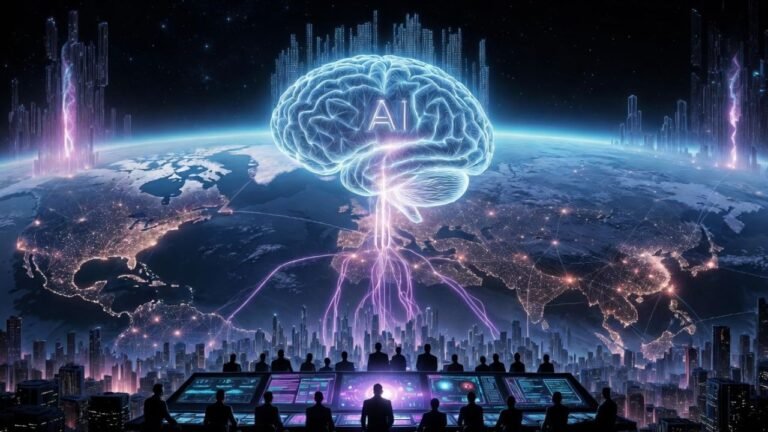
AI and Critical Minerals Explained: We live in an era of rapidly evolving technology, where Artificial Intelligence (AI) has become an integral part of our daily lives. Whether in smartphones, healthcare systems, or the automotive industry—the application of AI is expanding everywhere. However, very few people are aware that hidden behind this entire technological landscape lies another crucial element: what we call Critical Minerals. In 2026, the relationship between these two has become stronger and more significant than ever before.
What is AI, and why is it so important?
AI—or Artificial Intelligence—is a technology that empowers machines with the ability to think, understand, and make decisions just like humans. Today, AI is being utilized in data analysis, voice recognition, medical diagnostics, and even in self-driving cars. As the scope of AI continues to expand, the demand for it is rising commensurately.
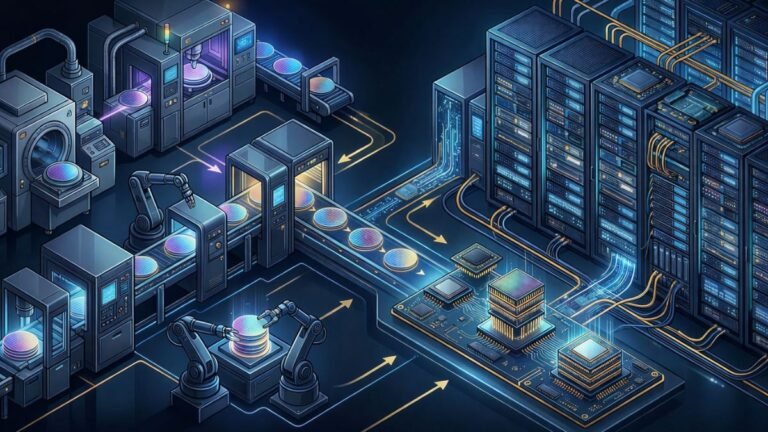
However, software alone is not sufficient to power AI. It requires high-performance hardware, which includes powerful chips and processors. This is precisely where the role of Critical Minerals comes into play.
What are Critical Minerals?
Critical Minerals are a specific category of minerals that are absolutely essential for modern technology and industry. These include lithium, cobalt, nickel, graphite, and Rare Earth Elements. These minerals are utilized in the manufacturing of batteries, semiconductor chips, electric vehicles, and AI systems.
A key characteristic of these minerals is that readily available substitutes are scarce, and their supply is limited. This is why the demand for them is constantly rising, and they are playing a pivotal role in the global economy.
The Deep Connection Between AI and Critical Minerals
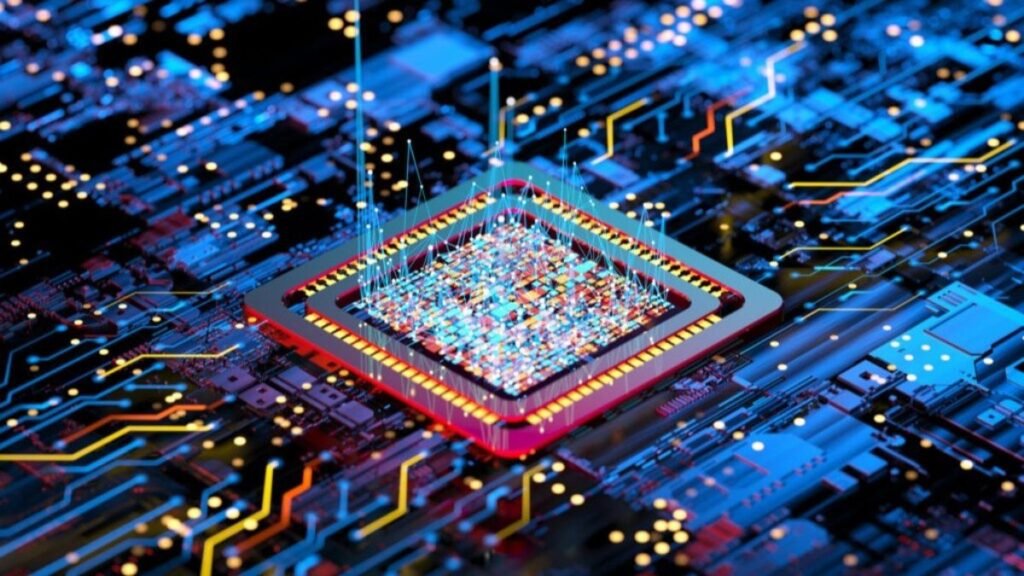
The advancement of AI necessitates high-tech hardware, including GPUs, CPUs, and various other chips. The use of Critical Minerals is indispensable for the fabrication of these chips. For instance, lithium and cobalt are essential for batteries, while Rare Earth Elements are utilized in chips and electronic components. As AI continues to expand, the demand for these minerals will also rise rapidly. This will have a direct impact on global supply chains and will intensify competition among nations for these resources.
Their Growing Significance in 2026
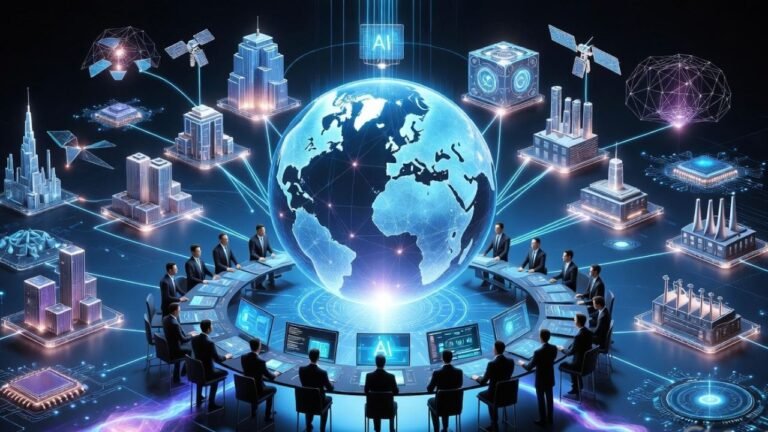
In 2026, nations across the globe are integrating AI into the very fabric of their economic and strategic power. Concurrently, new policies and agreements regarding Critical Minerals are emerging. Many countries are now forging new partnerships and boosting domestic production to secure their supply of these minerals.
Furthermore, the growing trends in Electric Vehicles (EVs) and green energy have further amplified the demand for these minerals. In essence, the convergence of the AI and clean energy sectors is rendering Critical Minerals even more indispensable.
What Does the Future Hold?
In the times to come, the significance of both AI and Critical Minerals is set to grow even further. Nations that effectively manage these resources will maintain a leading edge in both technology and economics. Additionally, there will be a strong emphasis on identifying alternatives to these minerals—as well as on recycling—through focused research and innovation.
Conclusion
AI and Critical Minerals stand as two pivotal pillars of today’s digital world; indeed, it is difficult to envision modern development without them. Their escalating importance in 2026 clearly demonstrates that the technology of the future will rely not solely on software, but equally on natural resources. Therefore, prioritizing the balanced and secure utilization of both is absolutely essential.
FAQs
Q. What is AI?
A. AI (Artificial Intelligence) is technology that enables machines to think, learn, and make decisions like humans.
Q. What are critical minerals?
A. Critical minerals are essential natural resources like lithium, cobalt, and rare earth elements used in modern technology.
Q. Why are critical minerals important for AI?
A. They are used to manufacture chips, batteries, and hardware required to run AI systems.
About the Author