The New AI World Order? How Pax Silica Is Reshaping Global Power
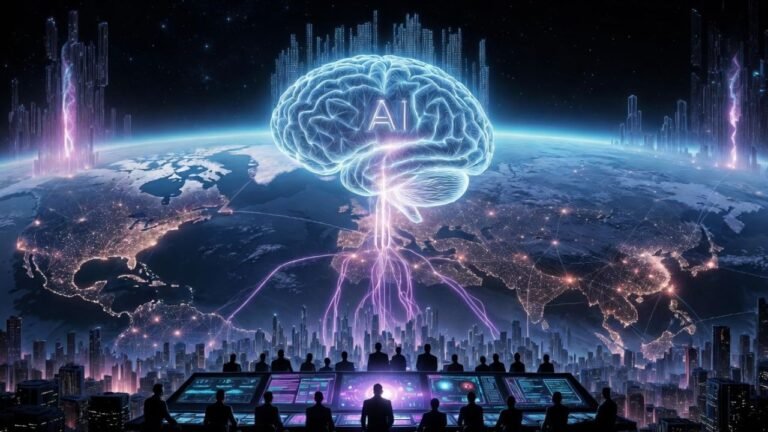
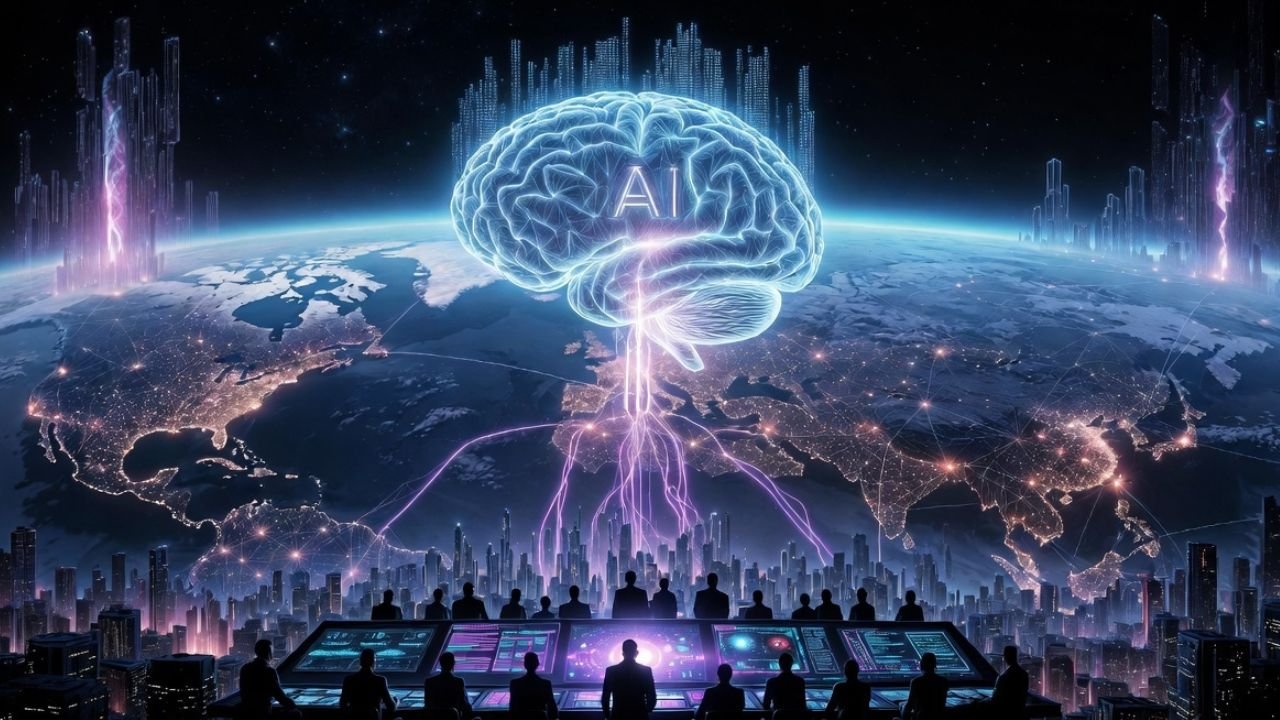
Today’s world is rapidly moving toward Artificial Intelligence (AI), where technology has evolved from being merely a tool of convenience into a new source of power. While global power was once determined primarily by military and economic resources, data, algorithms, and computing capabilities now play a pivotal role. Amidst this shifting landscape, a new term has emerged—Pax Silica—which many experts regard as the foundation of a “New AI World Order.”
What Is Pax Silica, and Why Is It a Topic of Discussion?
Pax Silica is viewed as an emerging AI alliance in which major tech companies, governments, and research institutions collaborate to chart the future trajectory of technology. Its objective extends beyond the mere development of AI; it also aims to influence the global economic and political balance through it. Through this alliance, the sharing of data, the creation of new technologies, and the establishment of AI regulations become possible—enabling a select few powers to extend their influence over the rest of the world.
Shifts in the Global Balance of Power
The most significant impact of Pax Silica is that it challenges traditional power structures. Now, it is no longer solely military might or natural resources that determine global standing; rather, being at the forefront of AI can empower a nation or organization on the global stage. The countries and companies that constitute this alliance can surge ahead technologically, thereby increasing the dependence of other nations upon them. This dynamic could potentially widen the existing divide between developed and developing nations.
Impact on the Economy and Jobs
This new AI-driven order is also having a direct impact on the global economy. While, on one hand, new jobs and opportunities are being created, traditional forms of employment are, on the other, rapidly disappearing. Alliances like Pax Silica are leveraging AI to enhance the efficiency of production and services—thereby reducing operational costs for companies—yet this simultaneously poses new challenges for the working class.
Does This Pose a Threat to the Future?
Although Pax Silica may be regarded as a symbol of technological progress, it is also accompanied by a host of associated concerns. Issues such as data privacy, the misuse of AI, and the concentration of excessive control in the hands of a few powerful organizations are becoming increasingly critical. If the rules governing AI are determined solely by a select few nations or corporations, it could exacerbate global inequalities.
Conclusion: Both Opportunity and Challenge
Pax Silica is a concept that could shape the trajectory of the future. While on one hand it opens up new avenues for innovation and development, on the other, it poses the risk of power centralization. In the times ahead, it will be imperative to ensure that the development of AI proceeds in a balanced and responsible manner, so that its benefits may accrue to all of humanity, rather than to just a select few powers.
FAQs
Q1. Why is Pax Silica important?
It is important because it could redefine global leadership by shifting power from traditional resources to AI, data, and technology.
Q2. How does Pax Silica affect jobs?
It can create new tech-driven jobs while also replacing many traditional roles through automation.
Q3. Is Pax Silica a threat to privacy?
Yes, concerns exist about data control, surveillance, and misuse of AI by powerful entities.
About the Author